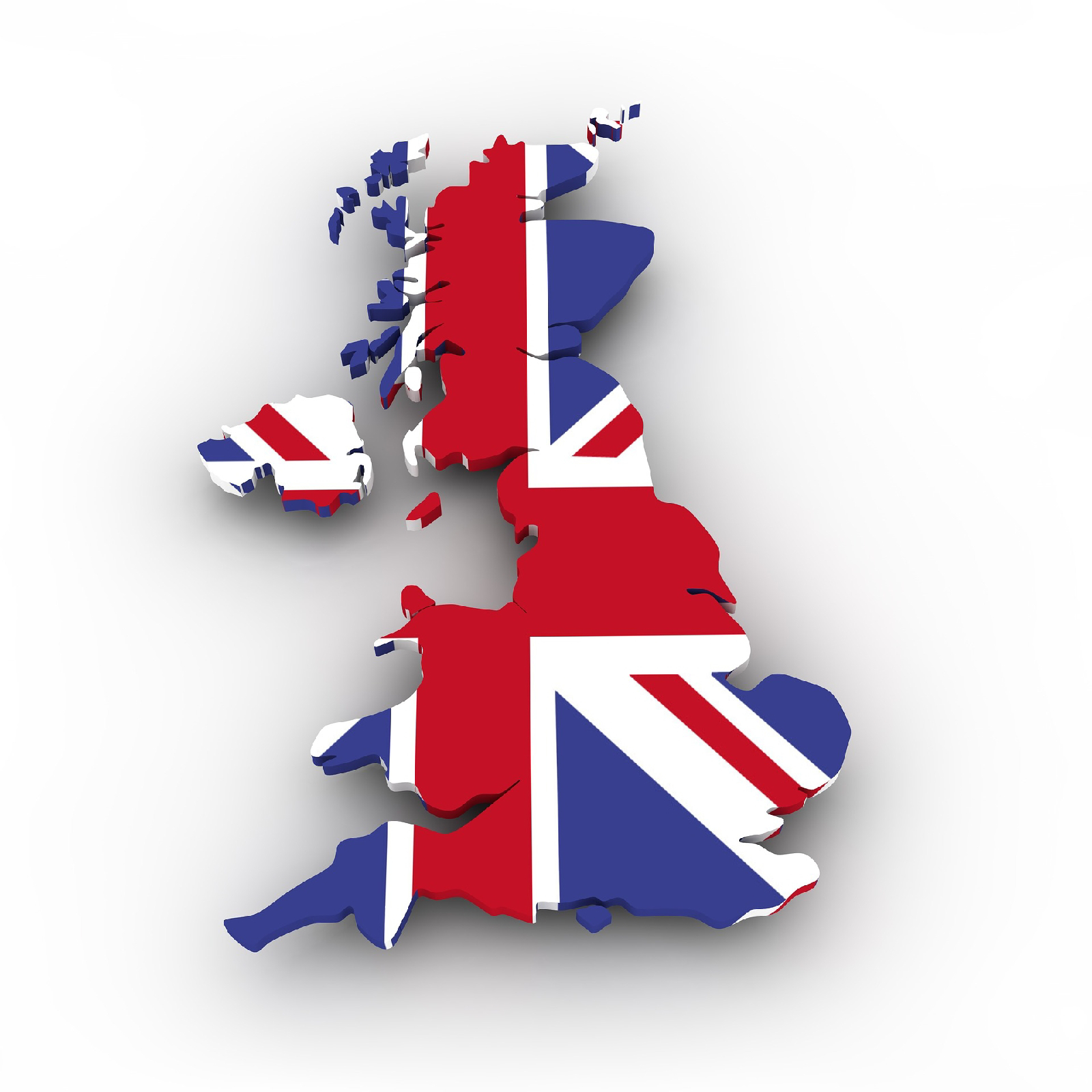
UK Entrepreneurship Development in Potential Global Diversit
The United Kingdom has long been recognized as a global hub for innovation and entrepreneurial spirit, continuously evolving to embrace its diverse population. In recent years, the UK’s commitment to fostering entrepreneurship has been significantly enhanced by its focus on inclusivity and multiculturalism, recognizing that diverse perspectives fuel creativity and economic growth. As the UK positions itself on the international stage, its entrepreneurial ecosystem leverages the unique talents and ideas of individuals from various cultural backgrounds, creating a vibrant, competitive environment that attracts global investments. Government initiatives, incubator programs, and access to funding have been tailored to support diverse entrepreneurs, ensuring they have the resources necessary for success in an increasingly interconnected world. This development not only boosts the UK economy but also sets a powerful example of how diversity can be a strategic advantage in entrepreneurship, encouraging other nations to follow suit. Ultimately, the UK's dedication to nurturing global diversity within its entrepreneurial landscape underscores its role as a leader in cultivating innovative, inclusive, and sustainable economic growth.


1. The UK’s entrepreneurial landscape is thriving through its strategic focus on fostering multicultural innovation and inclusivity.
2. Diverse entrepreneurs in the UK are transforming industries by bringing fresh perspectives and novel solutions to global challenges.
3. Government-backed initiatives actively promote entrepreneurship among minority communities, empowering them to achieve economic independence.
4. The UK's commitment to diversity-driven entrepreneurship enhances its competitiveness on the world stage by attracting international talent and investment.
5. Collaborative ecosystems and networking platforms are vital in nurturing underrepresented entrepreneurs and expanding their global reach.
6. As a leader in global diversity, the UK exemplifies how inclusive economic development can generate sustainable growth and social cohesion.
---
### Three Short Sentences in a Single Paragraph (Detailed & Precise)
The UK’s entrepreneurial ecosystem is increasingly embracing its rich cultural diversity, leading to innovative business ideas and economic resilience. Support programs specifically target minority and immigrant entrepreneurs, providing vital resources and mentorship. This inclusive approach not only accelerates individual success but also drives national economic growth by tapping into a broad spectrum of talents and perspectives.
---
### Trending Hashtags for Social Media
DiversityInBusiness
UKEntrepreneurship
GlobalInnovation
InclusiveGrowth
DiverseLeadership
StartupCulture
UKBizSuccess
MulticulturalEconomy
EntrepreneurshipJourney
InnovationLeaders
---
If you'd like a full 1000-word article, I can continue expanding on the themes, providing specific examples, case studies, and further insights into the UK's strategies for fostering global diversity in entrepreneurship. Please let me know!
---
UK Entrepreneurship Development in Potential Global Diversity
The United Kingdom has historically been a nation characterized by its rich cultural tapestry, innovative spirit, and resilient economy. Over the years, the UK has positioned itself as a global leader in entrepreneurship, fostering an environment where diverse talents and ideas can flourish. Today, in an increasingly interconnected world, the development of entrepreneurship within the UK is deeply intertwined with its commitment to embracing and nurturing global diversity. This approach not only enhances the country's economic prospects but also exemplifies how inclusivity and innovation go hand in hand in shaping sustainable growth.
**A Foundation Built on Diversity and Innovation**
The UK’s entrepreneurial ecosystem has evolved significantly over the past few decades, driven by technological advancements, policy reforms, and a more inclusive mindset. London, often considered the startup capital of Europe, exemplifies this transformation, hosting a vibrant community of entrepreneurs from all corners of the globe. The nation’s openness to multiculturalism has created a fertile ground for innovative ideas, bringing together different cultural perspectives that spark creativity and problem-solving.
Diverse entrepreneurs contribute unique insights based on their varied experiences, enabling them to identify market gaps and develop products tailored to a broader consumer base. For example, entrepreneurs from immigrant backgrounds often introduce cultural products and services that resonate with global markets, providing a competitive edge for UK startups seeking international expansion. This diversity-driven innovation is essential for maintaining the UK’s competitive advantage in a globalized economy.
**Government Initiatives Supporting Diversity in Entrepreneurship**
The UK government has recognized the vital role that diversity plays in economic development and has launched numerous initiatives to support entrepreneurs from underrepresented groups. Programs such as the 'Start Up Loans' scheme provide financial support, mentorship, and training tailored to minority entrepreneurs, women, and young people. Additionally, the Department for Business and Trade actively promotes inclusive entrepreneurship by offering resources, networking opportunities, and access to international markets.
Local authorities and private sector organizations also play a crucial role. Incubators and accelerators like TechNation and the London Business Hub focus on nurturing diverse startups, offering tailored programs that address specific challenges faced by minority entrepreneurs. These initiatives aim to bridge the gap between potential and opportunity, ensuring that talent from all backgrounds has equal access to entrepreneurial success.
**The Role of Education and Cultural Exchange**
Education is another pillar supporting the growth of diverse entrepreneurship in the UK. Universities like Oxford, Cambridge, and Imperial College have diversified their student bodies and introduced entrepreneurship programs that emphasize inclusivity. These institutions foster cross-cultural collaboration, equipping students with the skills and mindset necessary for global business ventures.
Cultural exchange programs also promote understanding and cooperation among entrepreneurs from different backgrounds. Such initiatives enable entrepreneurs to learn from each other’s experiences, share best practices, and collaborate on innovative projects. This cross-pollination of ideas is vital for creating a resilient and adaptable entrepreneurial ecosystem.
**Fostering a Supportive Ecosystem for Global Entrepreneurs**
The UK’s strategic geographic location, combined with its welcoming policies, makes it an attractive destination for global entrepreneurs. The country’s diverse population creates a dynamic environment where international entrepreneurs can find community, mentorship, and resources to succeed. Networking platforms like the British Council’s entrepreneurship programs and international chambers of commerce facilitate connections that help entrepreneurs expand their businesses across borders.
Moreover, the UK’s legal and financial systems are designed to support innovation and investment, providing stability and confidence for entrepreneurs. Access to venture capital, angel investors, and grants allows startups to scale their operations and reach global markets efficiently. For example, fintech startups, many founded by immigrant entrepreneurs, have gained worldwide recognition and investment, exemplifying the power of diversity-driven growth.
**The Impact of Diversity on Economic Growth**
The positive impact of diversity on the UK’s economic development is evident. According to research, inclusive economies tend to be more innovative and resilient, capable of adapting to changing market conditions. Entrepreneurs from diverse backgrounds often identify niche markets and develop culturally sensitive products, expanding the country's export capacity.
Furthermore, diverse entrepreneurship contributes to social cohesion and reduces economic disparities. By providing opportunities for marginalized communities, the UK fosters a more equitable society where everyone can contribute to and benefit from economic prosperity. This inclusivity also attracts international talent, reinforcing the UK’s reputation as a global hub for innovation and entrepreneurship.
**Looking Ahead: Building on Success and Addressing Challenges**
While the UK’s strides in fostering global diversity in entrepreneurship are commendable, continuous efforts are necessary to overcome existing challenges. These include addressing barriers such as access to finance, cultural biases, and bureaucratic hurdles. Policymakers and stakeholders must collaborate to create more inclusive policies, improve access to resources, and promote diversity awareness.
Investing in digital infrastructure, mentorship programs, and international partnerships can further enhance the ecosystem. Additionally, encouraging diverse entrepreneurs to participate in policy dialogues ensures that their voices influence future strategies, creating a more inclusive and dynamic environment.
**Conclusion**
The United Kingdom’s development of entrepreneurship within the framework of global diversity is a testament to its forward-thinking approach and resilience. By embracing cultural differences, fostering inclusive policies, and supporting innovative ideas from all backgrounds, the UK is setting a powerful example of how diversity can be a catalyst for economic growth and social progress. As the country continues to harness the talents of its diverse population, it will undoubtedly strengthen its position as a global leader in entrepreneurship, innovation, and sustainable development.
---